
Improving Indoor Spaces With Better Air Quality Measures
Indoor air quality is vital for our health and comfort. Many don’t realize that pests can have a negative effect on the air inside homes and offices. Pests such as insects can introduce allergens and other harmful particles into the air, impacting respiratory health. By managing these pests effectively, you can enhance indoor air quality significantly. In this guide, we will explore how controlling pests leads to better air in your living or working spaces.
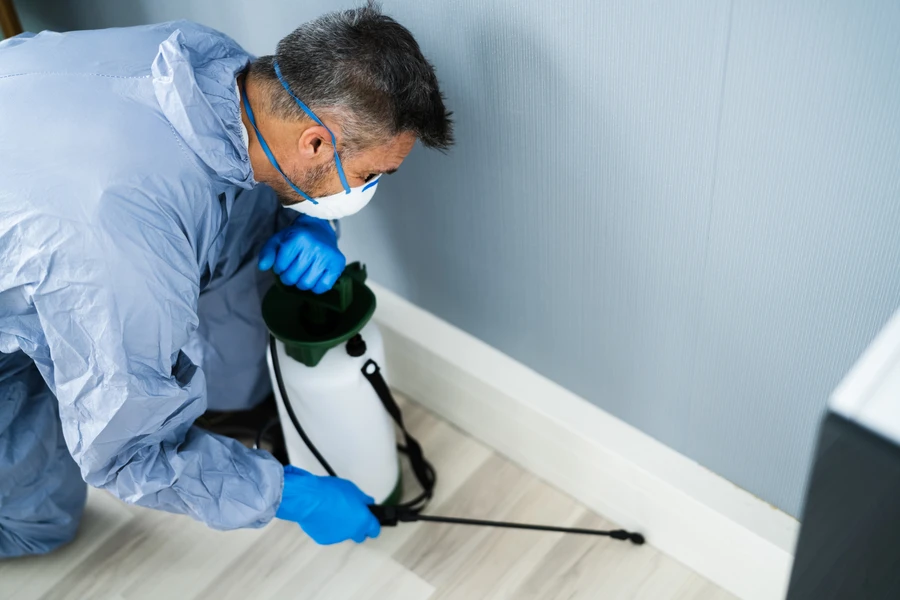
The Impact of Indoor Pests on Air Quality
Pests like cockroaches and dust mites are common triggers for allergies and asthma. When these insects invade your home, they leave behind droppings and shed body parts. These remnants then become part of the dust circulating in the air. As people breathe in this contaminated air, it may lead to respiratory issues. Controlling these pest populations helps reduce such allergens, leading to cleaner and healthier indoor air.
Benefits of Effective Pest Management
Implementing insect control can offer several advantages beyond just removing pests. It ensures a reduction in airborne allergens, which improves respiratory health. Furthermore, fewer pests mean less chance of contracting diseases that some insects carry. Lastly, maintaining pest-free environments contributes to a general sense of well-being, helping occupants feel more comfortable and secure.
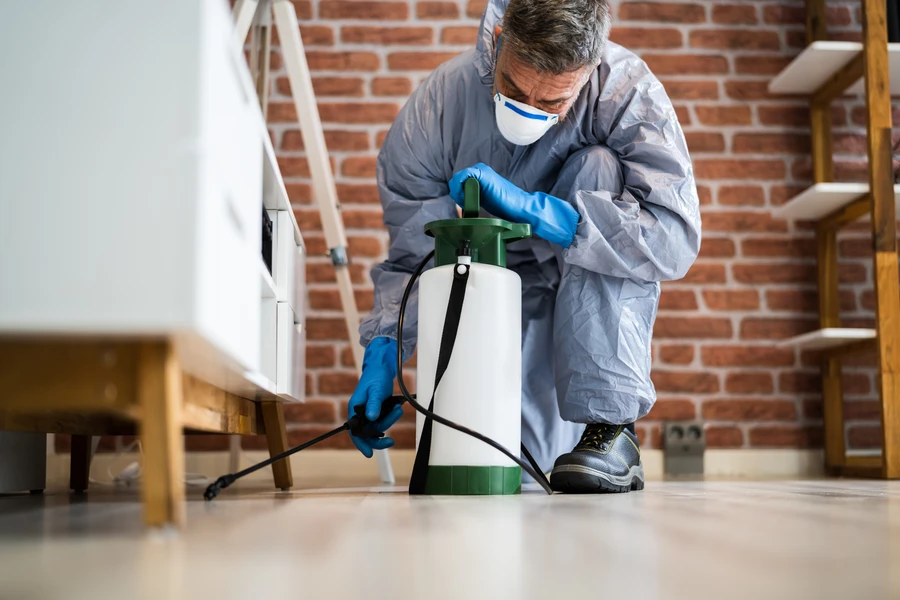
Common Challenges With Pest Control
Managing insect populations indoors can be challenging due to various factors. One issue is recognizing the signs of an infestation early. Another challenge is choosing the right method of control without harming the environment or non-target species. Additionally, consistent maintenance is necessary to ensure long-lasting results. These challenges can hinder effective pest management if not addressed properly.
Steps to Control Insects Indoors
Addressing pest problems involves a series of practical actions:
- Identify the type of insect causing issues through inspection.
- Select appropriate control measures specific to the pest.
- Seal entry points like cracks and gaps where insects might enter.
- Maintain cleanliness by regularly vacuuming and removing potential food sources.
- Consider professional pest services for severe infestations.
Best Practices for Maintaining Healthy Indoor Air
Following best practices can further improve your home’s air quality:
- Use high-efficiency particulate air (HEPA) filters in HVAC systems.
- Keep humidity levels low with dehumidifiers to discourage mold growth.
- Avoid using harsh chemicals; opt for natural or eco-friendly products instead.
- Regularly check for leaks that could become breeding grounds for pests.
Understanding Industry Standards in Pest Control
The pest management industry follows strict guidelines to ensure safety and effectiveness. Professionals adhere to Integrated Pest Management (IPM) principles, focusing on prevention and control while minimizing risks to people and the environment. This approach includes monitoring pest levels, using traps, and applying targeted treatments only when necessary.
Evaluating Costs and Benefits
The cost of insect control varies based on multiple factors such as infestation size and treatment methods chosen. However, investing in regular pest management can save money in the long run by preventing damage to structures and avoiding health-related expenses caused by poor air quality. The benefits often outweigh the initial costs, especially considering the improvements in health and comfort.
Enhance Your Environment With Professional Support
Effective pest management doesn’t just improve indoor air quality; it enhances overall life quality. For those seeking expert solutions, Addison Pest Control offers comprehensive services designed to meet your needs. Located in Olive Branch, MS, our team provides reliable pest control tailored to your unique situation. Reach out at (901) 427-5061 to learn more about how we can help create healthier indoor environments.